Skip to content

Looking for the buycycle marketplace?Visit buycycle.com

Settings

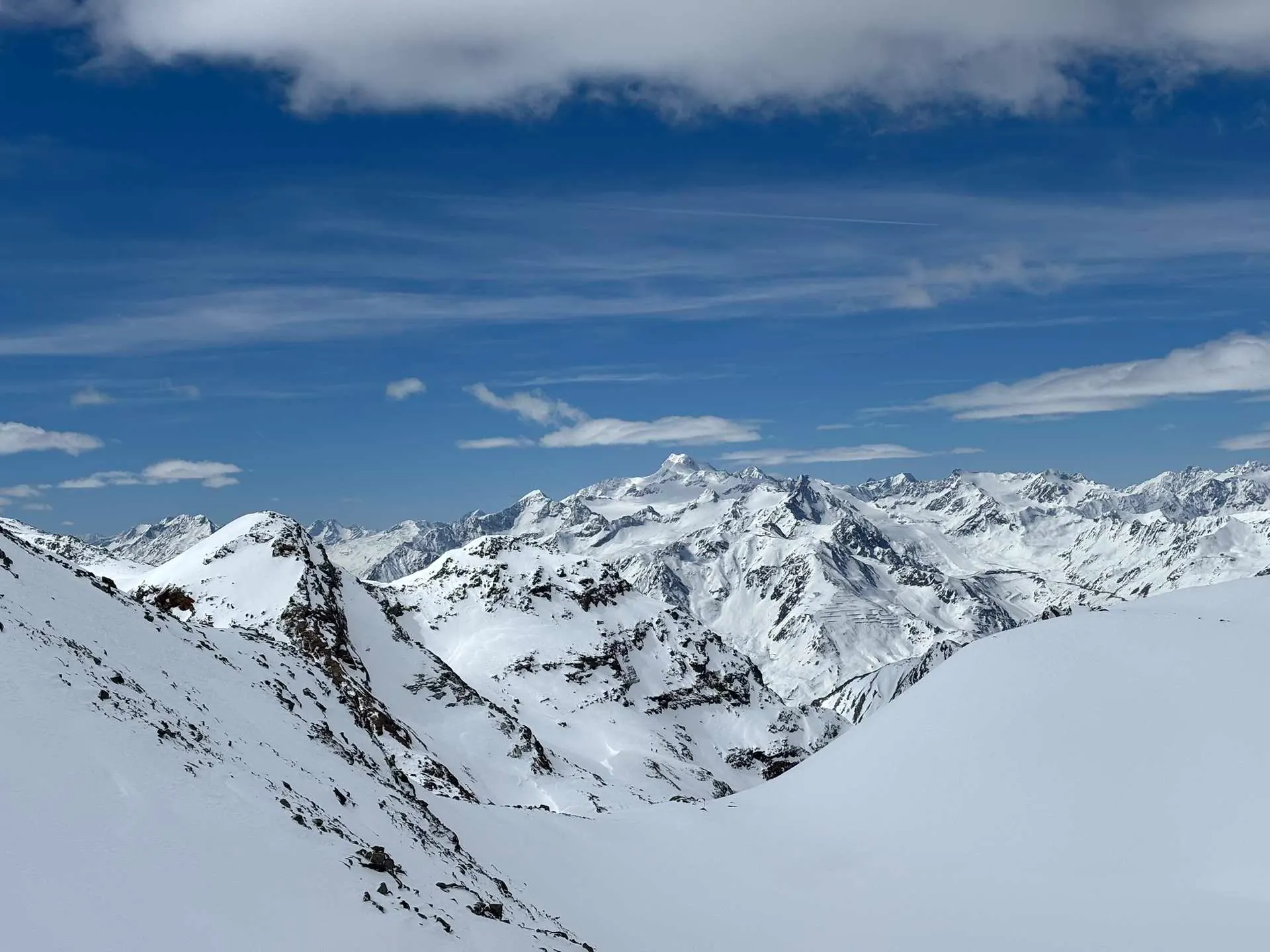
Panoramic winter view of the Sulztalferner glacier and the Wilde Leck peak
Panoramic winter view across the snow-covered Sulztal towards surrounding peaks
Winter view of the snow-covered Sulztal valley leading toward high mountain peaks
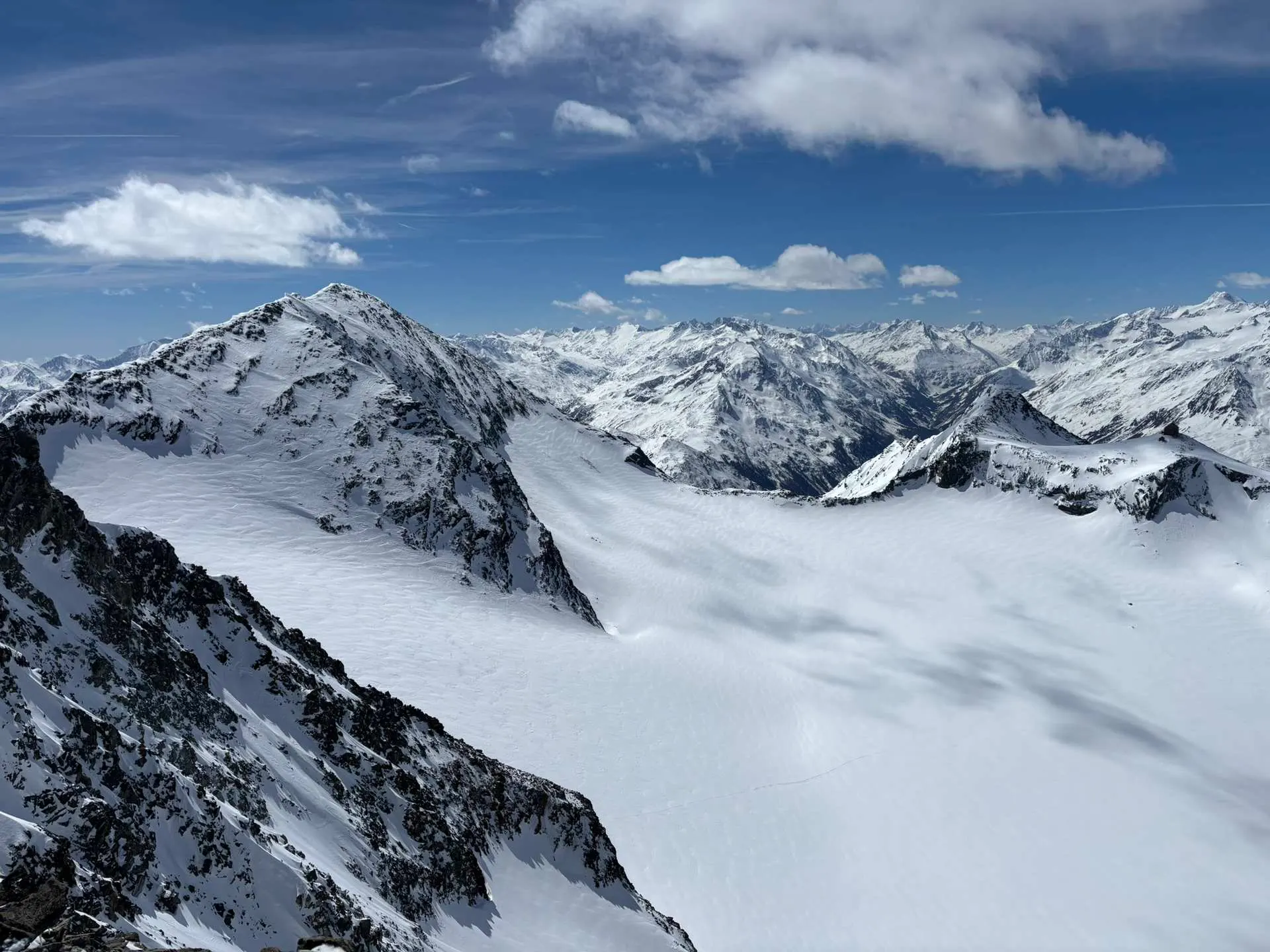
High alpine view of a wide snow-covered glacier basin and rugged rocky peaks under a partly cloudy sky.
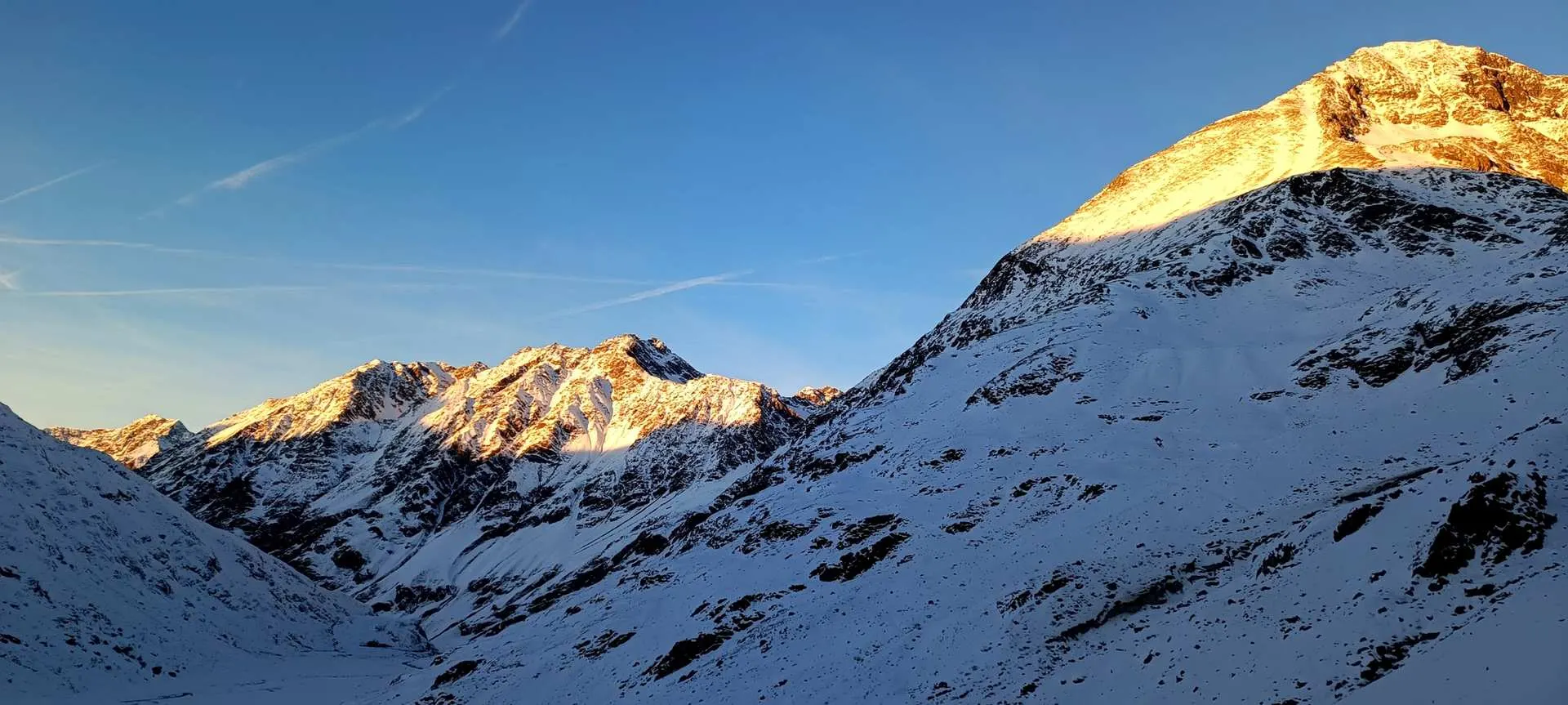
Snow-covered mountain slopes with golden sunlight hitting the summits while the valley remains in shade.
Morning light illuminating mountain peaks above the snowy Sulztal valley
Ski tourers ascending snowy terrain beneath the steep Schwarzenbergspitze
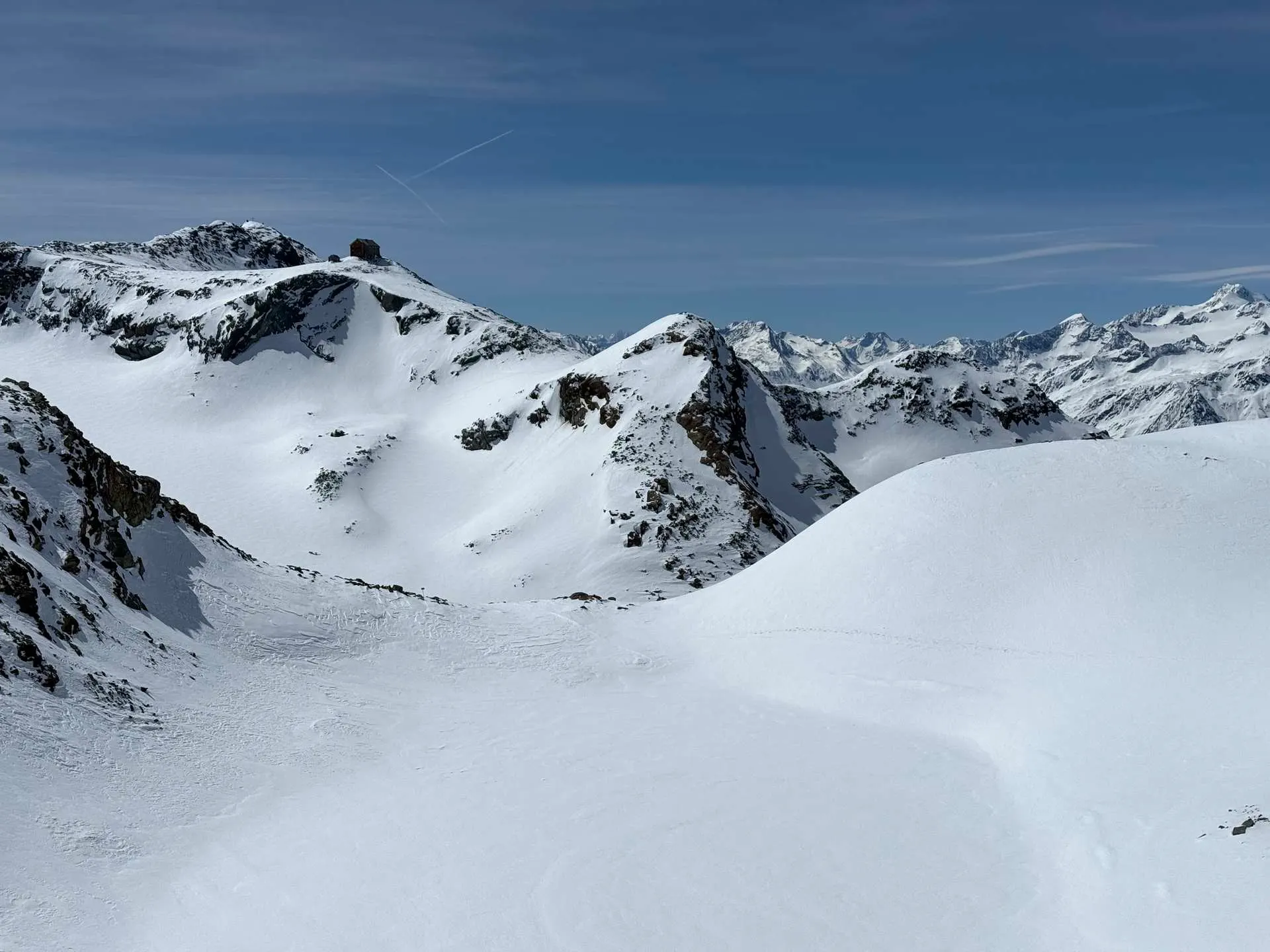
Undulating snowy slopes leading to rocky ridges and distant mountain chains under a clear blue sky.
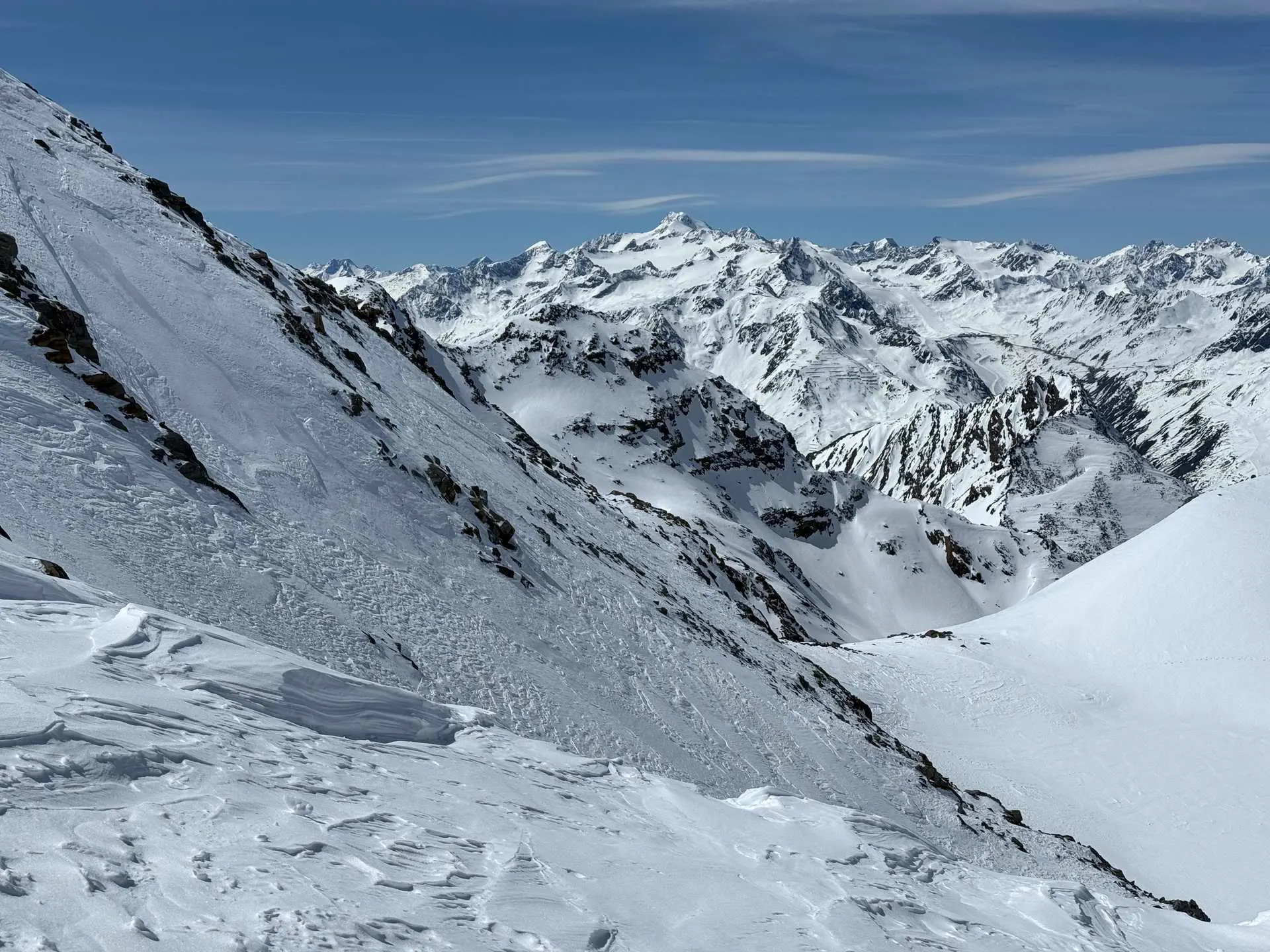
Wind-rippled snow on a steep slope opening up to a panorama of rugged, snow-covered mountains.
Expansive view over rolling snow slopes towards sharp, snow-covered peaks under a partly cloudy sky.
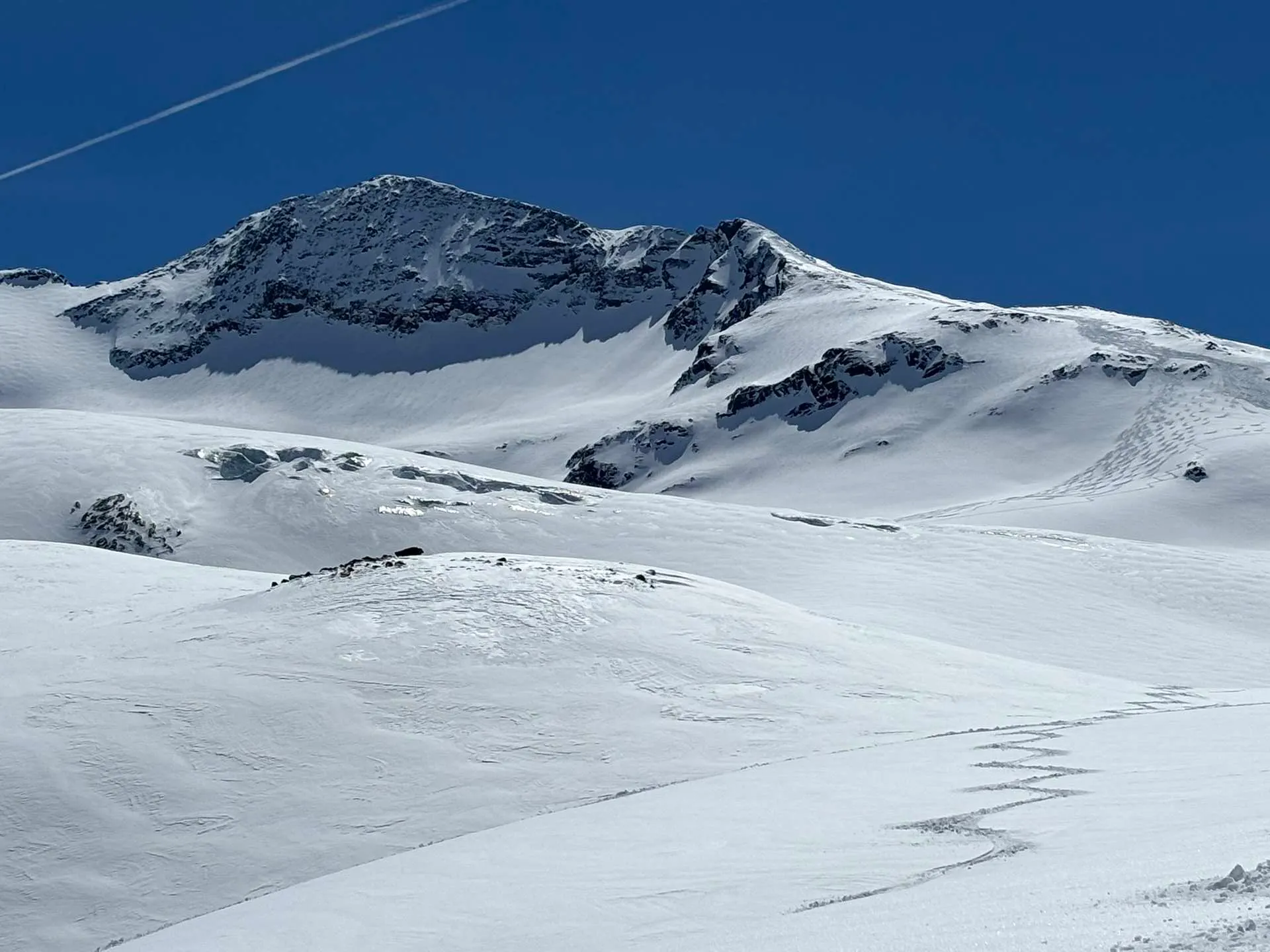
Ski tracks carved in fresh snow on rolling slopes leading toward a high, rugged rocky peak.
Winter panorama of Schrankogel and surrounding snow-dusted alpine ridges
View of the Wilde Leck peak and snow-covered Sulztalferner glacier in winter

Windacher Daunkogel

↑ 1,162 mDuration: 4.3 hDifficulty: F+ Easy

Current conditions: Not enough dataUpdated

Windacher Daunkogel conditions today

Avalanche danger level

32
  • 3 · ConsiderableThe snowpack is moderately to poorly bonded on many steep slopes. Triggering is possible, even from low additional loads, particularly on the indicated steep slopes. In certain situations some large, and in isolated cases very large natural avalanches are possible.Steep slopes: steeper than about 30 degrees.Low additional load: an individual skier riding softly, not falling; a snowshoer; a group keeping distances of at least 10 m.High additional load: two or more skiers without good spacing; a snow groomer; explosives.How to read the avalanche bulletinSource & further information: European avalanche danger scale (EAWS) (opens in a new tab)above 2,600 m
  • 2 · ModerateThe snowpack is only moderately well bonded on some steep slopes; otherwise well bonded in general. Triggering is possible, primarily from high additional loads, particularly on the indicated steep slopes. Very large natural avalanches are unlikely.Steep slopes: steeper than about 30 degrees.Low additional load: an individual skier riding softly, not falling; a snowshoer; a group keeping distances of at least 10 m.High additional load: two or more skiers without good spacing; a snow groomer; explosives.How to read the avalanche bulletinSource & further information: European avalanche danger scale (EAWS) (opens in a new tab)below 2,600 m
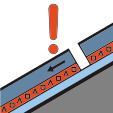
  • Persistent weak layerThe avalanche problem is related to the presence of one or more persistent weak layers in the old snowpack. These weak layers typically include faceted crystals, depth hoar or surface hoar crystals.Where: The avalanche problem can be widespread or quite isolated. It can exist in all aspects, but is more frequently found on shady, wind sheltered slopes.When: Weak layers can persist for weeks to months; possibly even during most of the winter season.Travel advice: Travel conservatively and avoid terrain features (e.g. large steep slopes) where consequences of being caught are large (e.g. deep burial). Consider the history of weather and snow cover processes in the area. Be extra cautious in areas with a thin snowpack and at the transition from thin to deep snowpack. The release of avalanches in persistent weak layers are a significant cause of recreational avalanche fatalities.How to read the avalanche bulletinSource & further information: Typical avalanche problems (EAWS) (opens in a new tab)above 2,600 m
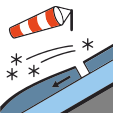
  • Wind slabWind slabs are formed when loose snow in near-surface layers (new snow or old snow) is transported and deposited by wind.Where: Highly variable but typically on leeward slopes, gullies and bowls, near distinct changes in slope angle, behind ridgelines or other wind-sheltered locations. More common above treeline.When: The wind slab problem can evolve very quickly. The problem lasts typically during the snowdrift event and tends to stabilize within a few days following the storm cycle.Travel advice: Avoid snow drifted deposits in steep terrain.How to read the avalanche bulletinSource & further information: Typical avalanche problems (EAWS) (opens in a new tab)above 2,400 m

Avalanche bulletin

This ski tour crosses 2 warning regions. The highest level is shown.How to read the avalanche bulletin

Stubai Alps Central

71 % of the route

Valid from
Valid until
32
  • 3 · ConsiderableThe snowpack is moderately to poorly bonded on many steep slopes. Triggering is possible, even from low additional loads, particularly on the indicated steep slopes. In certain situations some large, and in isolated cases very large natural avalanches are possible.Steep slopes: steeper than about 30 degrees.Low additional load: an individual skier riding softly, not falling; a snowshoer; a group keeping distances of at least 10 m.High additional load: two or more skiers without good spacing; a snow groomer; explosives.How to read the avalanche bulletinSource & further information: European avalanche danger scale (EAWS) (opens in a new tab)above 2,600 m
  • 2 · ModerateThe snowpack is only moderately well bonded on some steep slopes; otherwise well bonded in general. Triggering is possible, primarily from high additional loads, particularly on the indicated steep slopes. Very large natural avalanches are unlikely.Steep slopes: steeper than about 30 degrees.Low additional load: an individual skier riding softly, not falling; a snowshoer; a group keeping distances of at least 10 m.High additional load: two or more skiers without good spacing; a snow groomer; explosives.How to read the avalanche bulletinSource & further information: European avalanche danger scale (EAWS) (opens in a new tab)below 2,600 m

Weak layers in the old snowpack necessitate caution. Fresh wind slabs require caution.

3 · ConsiderableThe snowpack is moderately to poorly bonded on many steep slopes. Triggering is possible, even from low additional loads, particularly on the indicated steep slopes. In certain situations some large, and in isolated cases very large natural avalanches are possible.Steep slopes: steeper than about 30 degrees.Low additional load: an individual skier riding softly, not falling; a snowshoer; a group keeping distances of at least 10 m.High additional load: two or more skiers without good spacing; a snow groomer; explosives.How to read the avalanche bulletinSource & further information: European avalanche danger scale (EAWS) (opens in a new tab) · Dry avalanches

above 2,600 m
  • Persistent weak layerThe avalanche problem is related to the presence of one or more persistent weak layers in the old snowpack. These weak layers typically include faceted crystals, depth hoar or surface hoar crystals.Where: The avalanche problem can be widespread or quite isolated. It can exist in all aspects, but is more frequently found on shady, wind sheltered slopes.When: Weak layers can persist for weeks to months; possibly even during most of the winter season.Travel advice: Travel conservatively and avoid terrain features (e.g. large steep slopes) where consequences of being caught are large (e.g. deep burial). Consider the history of weather and snow cover processes in the area. Be extra cautious in areas with a thin snowpack and at the transition from thin to deep snowpack. The release of avalanches in persistent weak layers are a significant cause of recreational avalanche fatalities.How to read the avalanche bulletinSource & further information: Typical avalanche problems (EAWS) (opens in a new tab)

Snowpack stability: poor · Frequency: some · Avalanche size: large (3)

2 · ModerateThe snowpack is only moderately well bonded on some steep slopes; otherwise well bonded in general. Triggering is possible, primarily from high additional loads, particularly on the indicated steep slopes. Very large natural avalanches are unlikely.Steep slopes: steeper than about 30 degrees.Low additional load: an individual skier riding softly, not falling; a snowshoer; a group keeping distances of at least 10 m.High additional load: two or more skiers without good spacing; a snow groomer; explosives.How to read the avalanche bulletinSource & further information: European avalanche danger scale (EAWS) (opens in a new tab) · Dry avalanches

above 2,400 m
  • Wind slabWind slabs are formed when loose snow in near-surface layers (new snow or old snow) is transported and deposited by wind.Where: Highly variable but typically on leeward slopes, gullies and bowls, near distinct changes in slope angle, behind ridgelines or other wind-sheltered locations. More common above treeline.When: The wind slab problem can evolve very quickly. The problem lasts typically during the snowdrift event and tends to stabilize within a few days following the storm cycle.Travel advice: Avoid snow drifted deposits in steep terrain.How to read the avalanche bulletinSource & further information: Typical avalanche problems (EAWS) (opens in a new tab)

Snowpack stability: poor · Frequency: a few · Avalanche size: medium (2)

Danger description

Weak layers in the lower part of the snowpack can be released even by individual winter sport participants. This applies on steep west, north and east facing slopes above approximately 2600 m, as well as in all aspects above approximately 3000 m. Remotely triggered avalanches are possible in isolated cases. This applies in high Alpine regions. Mostly avalanches are medium-sized.
In addition the fresh wind slabs should be taken into account. Such avalanche prone locations are to be found in steep terrain above approximately 2400 m. Caution is to be exercised adjacent to ridgelines, as well as in gullies and bowls, and behind abrupt changes in the terrain. The number and size of avalanche prone locations will increase with altitude. Avalanches can reach medium size.
The Avalanche Warning Service currently has only a small amount of information that has been collected in the field, so that the avalanche danger should be investigated especially thoroughly in the relevant locality.

Full bulletin at Avalanche.report · issued

Sellrain - Alpein Mountains

30 % of the route

Valid from
Valid until
21
  • 2 · ModerateThe snowpack is only moderately well bonded on some steep slopes; otherwise well bonded in general. Triggering is possible, primarily from high additional loads, particularly on the indicated steep slopes. Very large natural avalanches are unlikely.Steep slopes: steeper than about 30 degrees.Low additional load: an individual skier riding softly, not falling; a snowshoer; a group keeping distances of at least 10 m.High additional load: two or more skiers without good spacing; a snow groomer; explosives.How to read the avalanche bulletinSource & further information: European avalanche danger scale (EAWS) (opens in a new tab)above 2,400 m
  • 1 · LowThe snowpack is well bonded and stable in general. Triggering is generally possible only from high additional loads in isolated areas of very steep, extreme terrain. Only small and medium natural avalanches are possible.Steep slopes: steeper than about 30 degrees.Low additional load: an individual skier riding softly, not falling; a snowshoer; a group keeping distances of at least 10 m.High additional load: two or more skiers without good spacing; a snow groomer; explosives.How to read the avalanche bulletinSource & further information: European avalanche danger scale (EAWS) (opens in a new tab)below 2,400 m

Weak layers in the old snowpack necessitate caution. This applies in particular between approximately 2400 and 2900 m. Fresh wind slabs at high altitudes.

2 · ModerateThe snowpack is only moderately well bonded on some steep slopes; otherwise well bonded in general. Triggering is possible, primarily from high additional loads, particularly on the indicated steep slopes. Very large natural avalanches are unlikely.Steep slopes: steeper than about 30 degrees.Low additional load: an individual skier riding softly, not falling; a snowshoer; a group keeping distances of at least 10 m.High additional load: two or more skiers without good spacing; a snow groomer; explosives.How to read the avalanche bulletinSource & further information: European avalanche danger scale (EAWS) (opens in a new tab) · Dry avalanches

above 2,400 m
  • Persistent weak layerThe avalanche problem is related to the presence of one or more persistent weak layers in the old snowpack. These weak layers typically include faceted crystals, depth hoar or surface hoar crystals.Where: The avalanche problem can be widespread or quite isolated. It can exist in all aspects, but is more frequently found on shady, wind sheltered slopes.When: Weak layers can persist for weeks to months; possibly even during most of the winter season.Travel advice: Travel conservatively and avoid terrain features (e.g. large steep slopes) where consequences of being caught are large (e.g. deep burial). Consider the history of weather and snow cover processes in the area. Be extra cautious in areas with a thin snowpack and at the transition from thin to deep snowpack. The release of avalanches in persistent weak layers are a significant cause of recreational avalanche fatalities.How to read the avalanche bulletinSource & further information: Typical avalanche problems (EAWS) (opens in a new tab)

Snowpack stability: poor · Frequency: a few · Avalanche size: medium (2)

1 · LowThe snowpack is well bonded and stable in general. Triggering is generally possible only from high additional loads in isolated areas of very steep, extreme terrain. Only small and medium natural avalanches are possible.Steep slopes: steeper than about 30 degrees.Low additional load: an individual skier riding softly, not falling; a snowshoer; a group keeping distances of at least 10 m.High additional load: two or more skiers without good spacing; a snow groomer; explosives.How to read the avalanche bulletinSource & further information: European avalanche danger scale (EAWS) (opens in a new tab) · Dry avalanches

above 2,200 m
  • Wind slabWind slabs are formed when loose snow in near-surface layers (new snow or old snow) is transported and deposited by wind.Where: Highly variable but typically on leeward slopes, gullies and bowls, near distinct changes in slope angle, behind ridgelines or other wind-sheltered locations. More common above treeline.When: The wind slab problem can evolve very quickly. The problem lasts typically during the snowdrift event and tends to stabilize within a few days following the storm cycle.Travel advice: Avoid snow drifted deposits in steep terrain.How to read the avalanche bulletinSource & further information: Typical avalanche problems (EAWS) (opens in a new tab)

Snowpack stability: poor · Frequency: a few · Avalanche size: small (1)

Danger description

Weak layers in the old snowpack can be released even by individual winter sport participants. This applies in particular on very steep west, north and east facing slopes between approximately 2400 and 2900 m. Caution is to be exercised in particular in gullies and bowls, and behind abrupt changes in the terrain. Avalanches are rather small.
In addition the fresh wind slabs should be taken into account. Such avalanche prone locations are to be found in steep terrain above approximately 2200 m and adjacent to ridgelines. They are mostly small. They are clearly recognisable to the trained eye.
Along the border with Vorarlberg individual gliding avalanches are possible, but they will be mostly small.
The Avalanche Warning Service currently has only a small amount of information that has been collected in the field, so that the avalanche danger should be investigated especially thoroughly in the relevant locality.

Full bulletin at Avalanche.report · issued

Source: Avalanche.report, issued , valid until .

Snow height

53cm

Valley · 2,385 m

Breiter Grieskogel Schneestation

86cm

Upper · 2,970 m

Rettenbachferner

Source: LWD Tirol (avalanche.report), read . Measured at stations nearby, not on the route.

Reported completions, last 48 h

No Strava segment mapped to this ski tour yet.

There is not enough recent information yet for conditions today on this ski tour. Avalanche danger level: 3 (Considerable) above 2,600 m, 2 (Moderate) below 2,600 m. Snow height: 53 cm (Breiter Grieskogel Schneestation, 2,385 m), 86 cm (Rettenbachferner, 2,970 m).

A planning aid, not a safety check. Conditions today are compiled automatically and can be wrong. Decide on site, at your own risk.

Most recent reports

Weather

Source: Open-Meteo, fetched .

Forecast for the start and the summit, from November 27, 2026
ElevationToday Nov 27Sat Nov 28Sun Nov 29
Start2,134 m

-3°-11°

Wind 11 km/h

-2°-12°

Wind 10 km/h

2°-4°

Wind 11 km/h

Summit3,296 m

-12°-15°

Wind 12 km/h

-8°-15°

Wind 14 km/h

-7°-10°

Wind 11 km/h

Freezing level: today 1,940 m · Sat 2,008 m · Sun 2,710 m. Above this height precipitation falls as snow.

Route map

Ski tour data provided by Skitourenguru. For the daily avalanche risk rating and the danger spots along this route, head to Skitourenguru.

View the avalanche risk along the route onSkitourenguru (opens in a new tab)

PAmberger Hütte · 2,134 m1Windacher Daunkogel · 3,296 m

Elevation profile6.8 km · ↑ 1,162 m · high point 3,296 m

Ascent track: Skitourenguru

Route description

  1. P

    Flat valley floor from Amberger Hütte

    2,134 → 2,161 m

    Start at Amberger Hütte into the wide valley floor. Follow the bottom of the valley south on nearly flat ground.

  2. 1

    Over the steep step into the upper cirque

    2,161 → 2,595 m

    After the valley floor, the slopes gradually rise. A distinct steep step leads up into the upper cirque.

  3. 2

    Through the open basin

    2,595 → 3,157 m

    At a moderate gradient, the track continues upwards through the wide hollow. The slope eases briefly before the summit structure.

  4. 3

    Steep summit slope to Windacher Daunkogel

    3,157 → 3,296 m

    Below the summit, the gradient increases noticeably once more. Cross the steep final slope to reach the Windacher Daunkogel at 3296 m. Descent as ascent.

Download the GPX track

The ascent track of Windacher Daunkogel as a GPX file, for your GPS watch, phone app or route planner.

6.8 km · ↑ 1,162 m · high point 3,296 m · 731 track points

Download GPX

Ascent track: Skitourenguru. A track is a planning aid, not a guarantee: check the avalanche bulletin and conditions on the day and adapt the route on the ground.

All ski tours in Stubai Alps Central

Photo credits

Photos in the slider above, in order. Author and original on Wikimedia Commons (with licence) or komoot (used with permission).

  1. 01HaneburgerPublic Domain(opens in a new tab)
  2. 02Henk MonsterCC BY 3.0(opens in a new tab)
  3. 03stykoCC BY-SA 4.0(opens in a new tab)
  4. 04Oliverkomoot(opens in a new tab)
  5. 05SENI. 13komoot(opens in a new tab)
  6. 06stykoCC BY-SA 4.0(opens in a new tab)
  7. 07Henk MonsterCC BY 3.0(opens in a new tab)
  8. 08Pirnjesskomoot(opens in a new tab)
  9. 09Pirnjesskomoot(opens in a new tab)
  10. 10Oliverkomoot(opens in a new tab)
  11. 11Oliverkomoot(opens in a new tab)
  12. 12HaneburgerPublic Domain(opens in a new tab)
  13. 13HaneburgerPublic Domain(opens in a new tab)