Looking for the buycycle marketplace?Visit buycycle.com

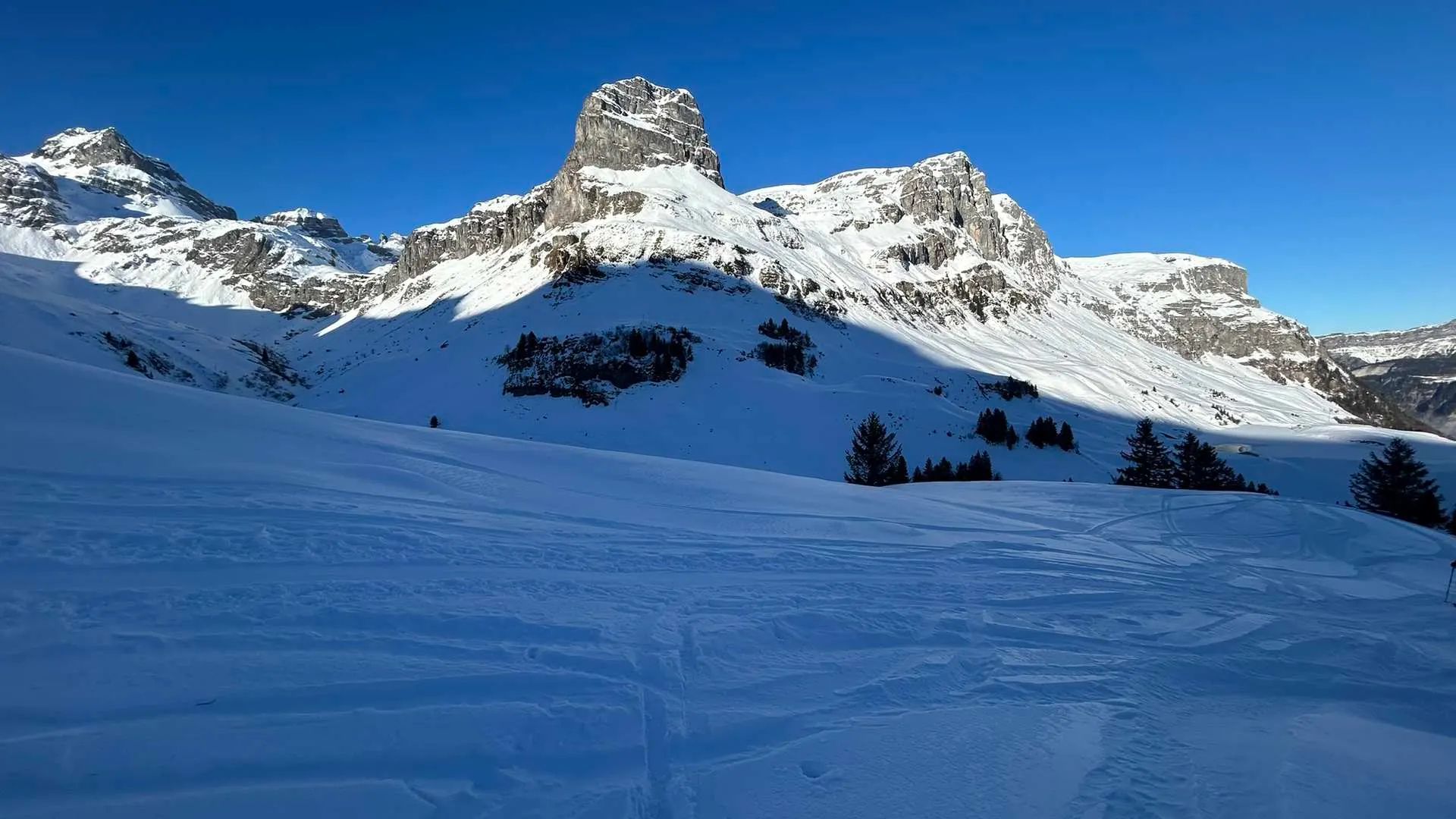
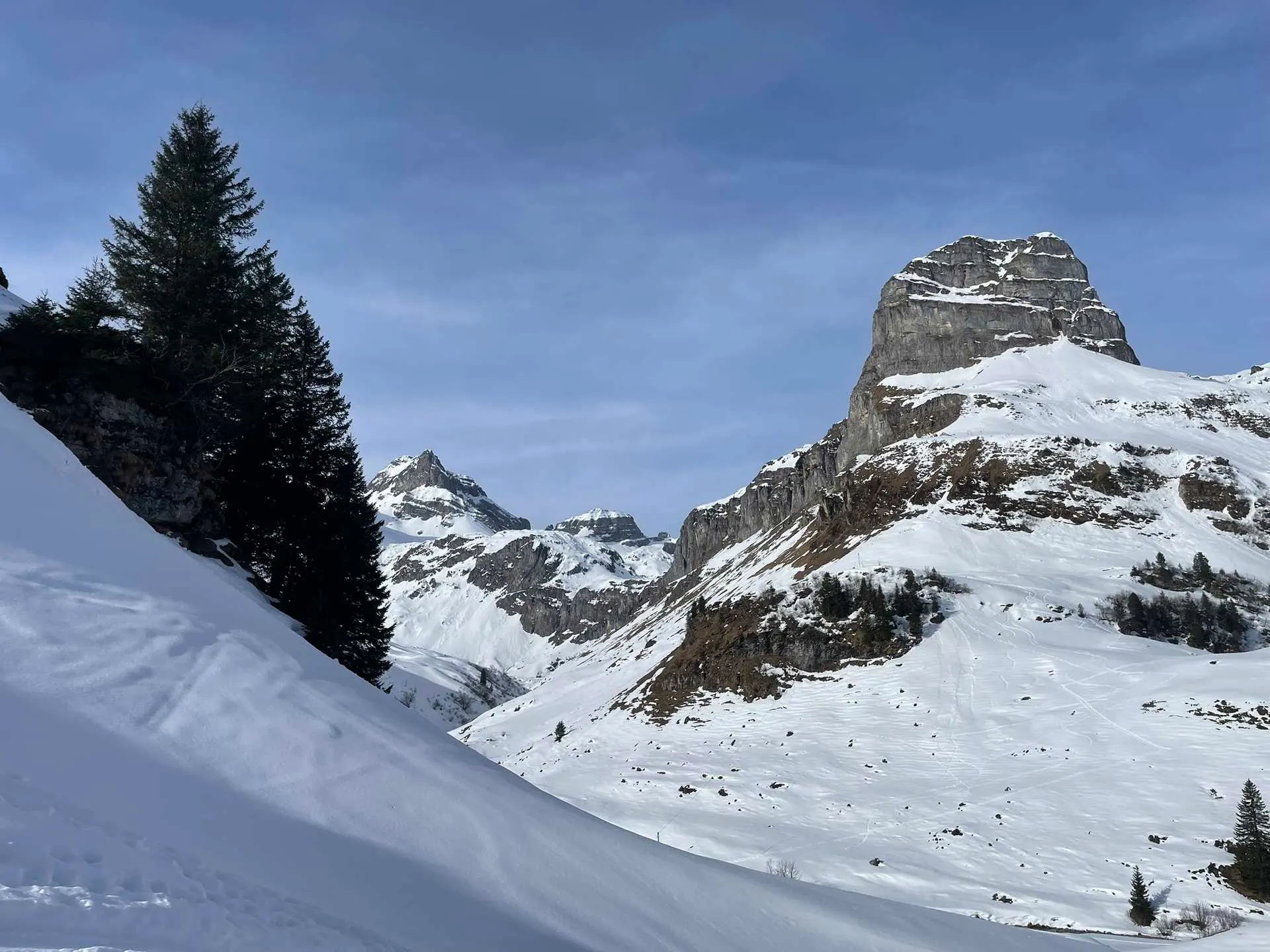
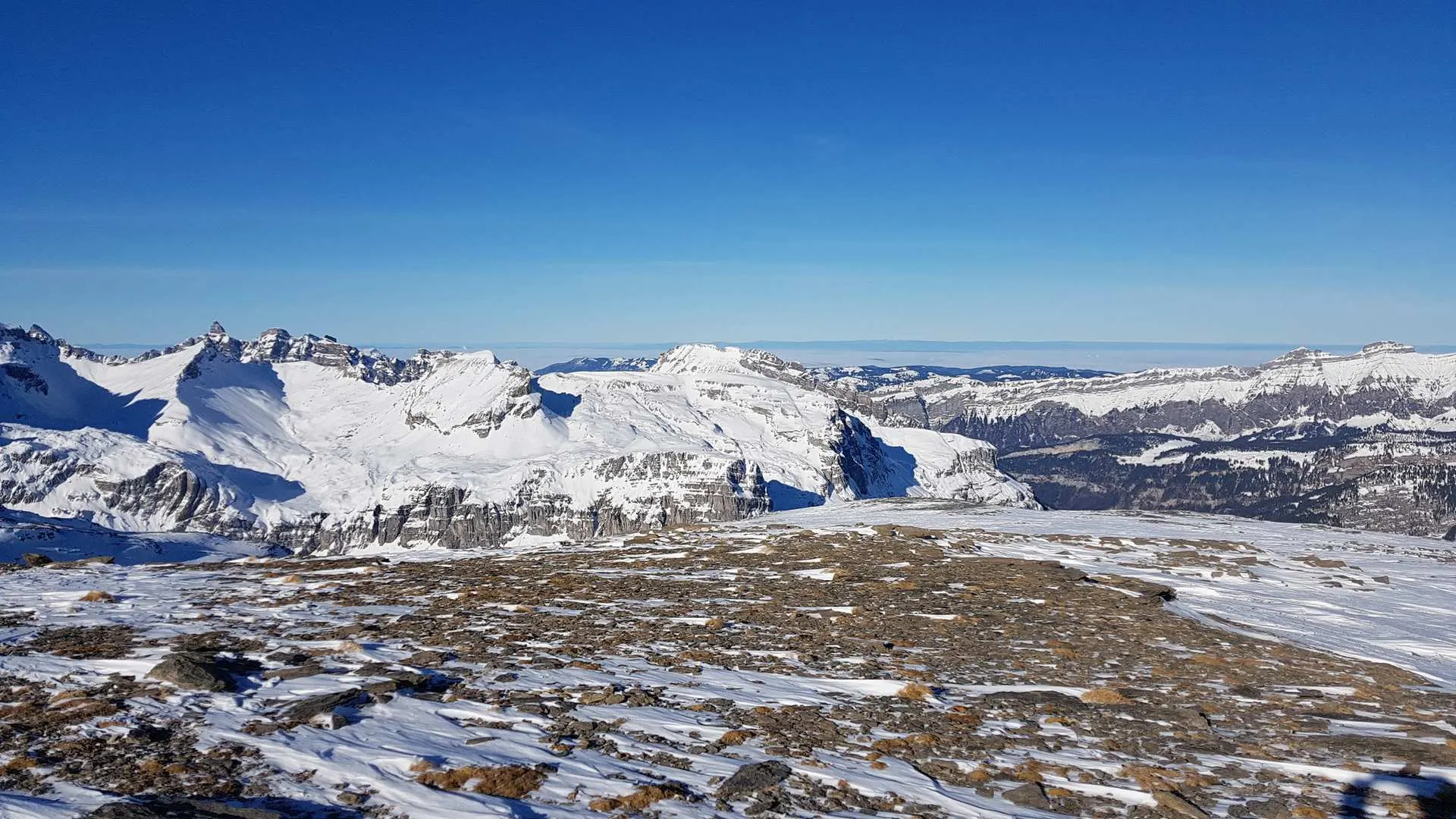
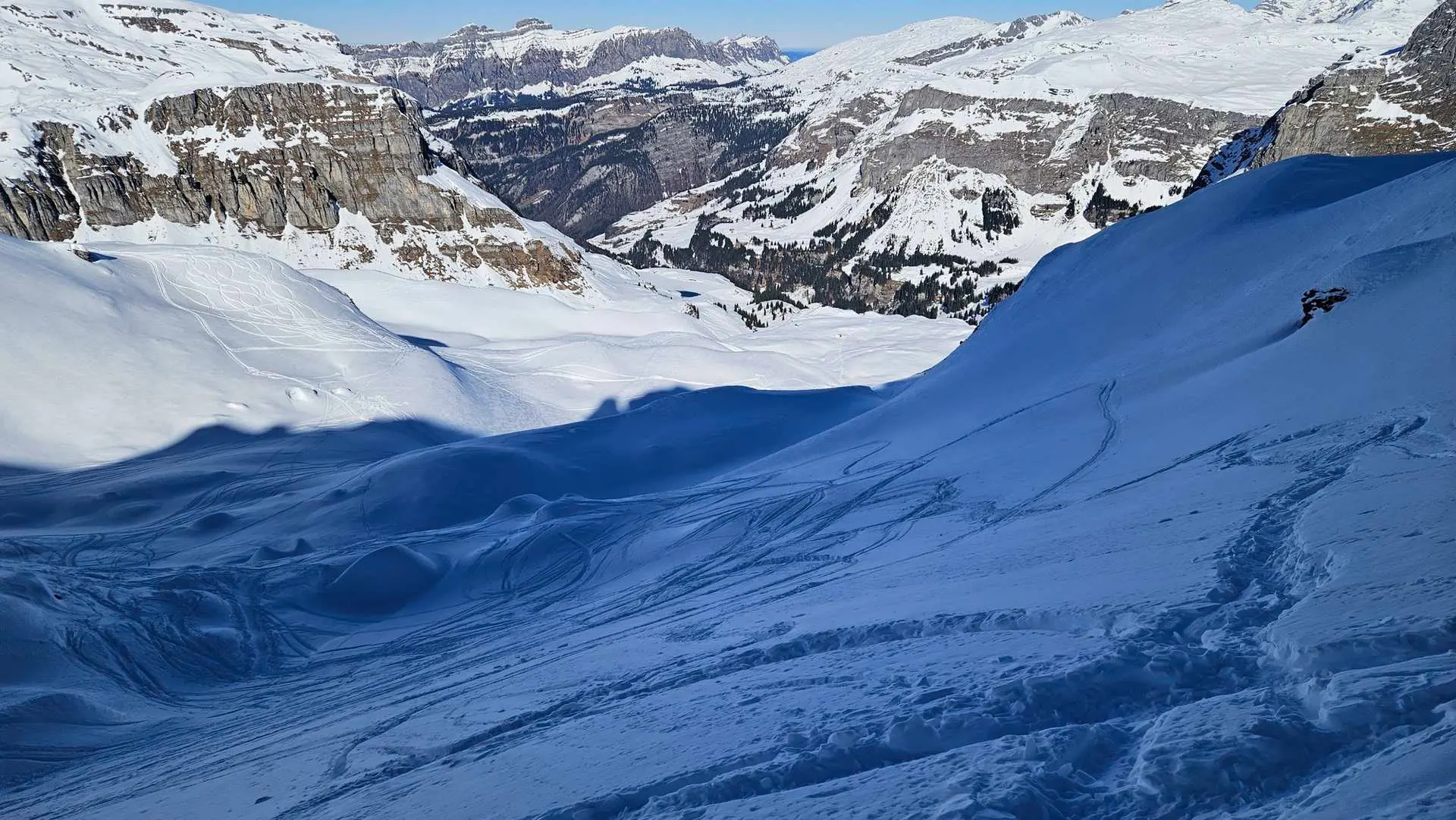

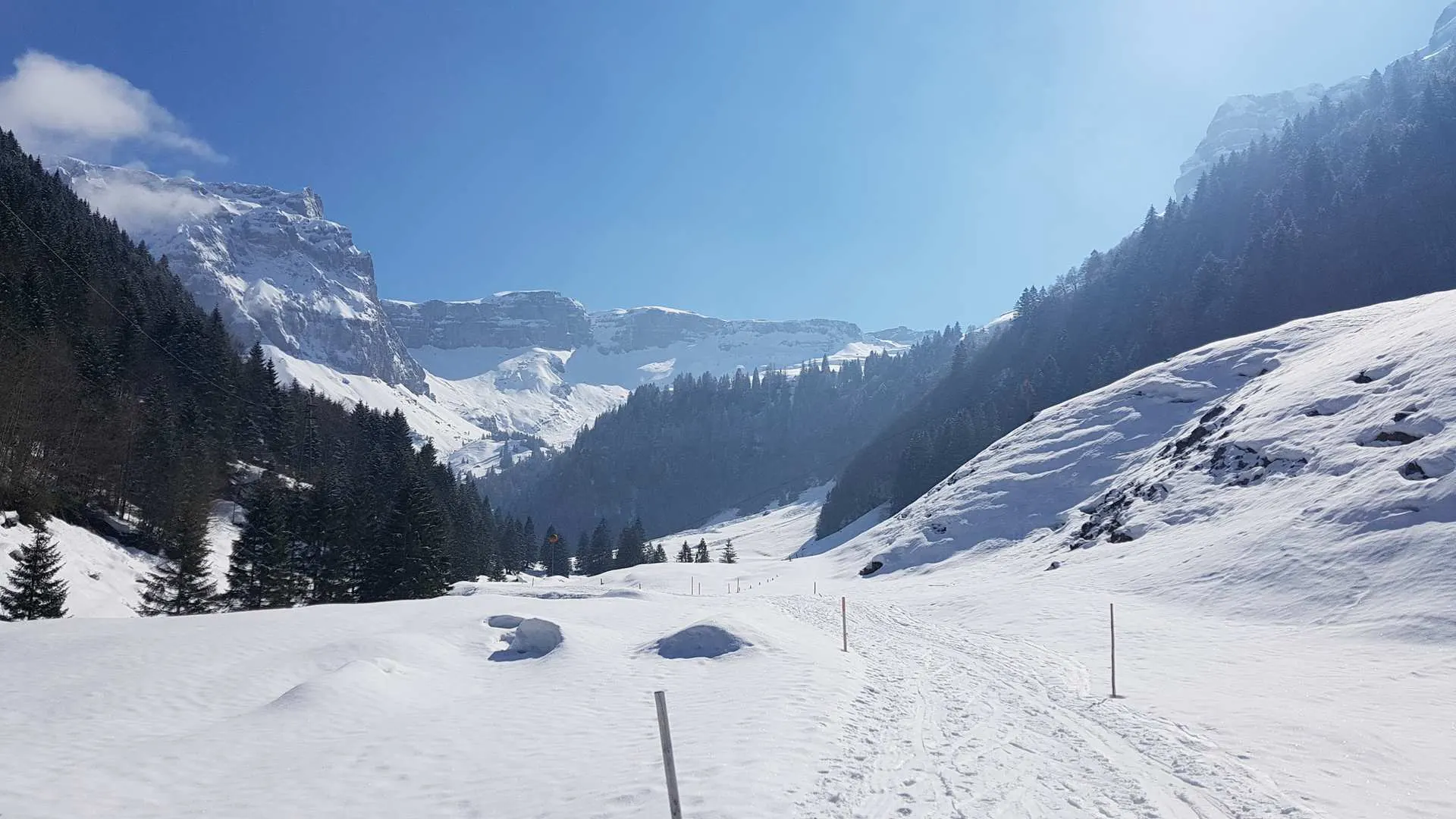
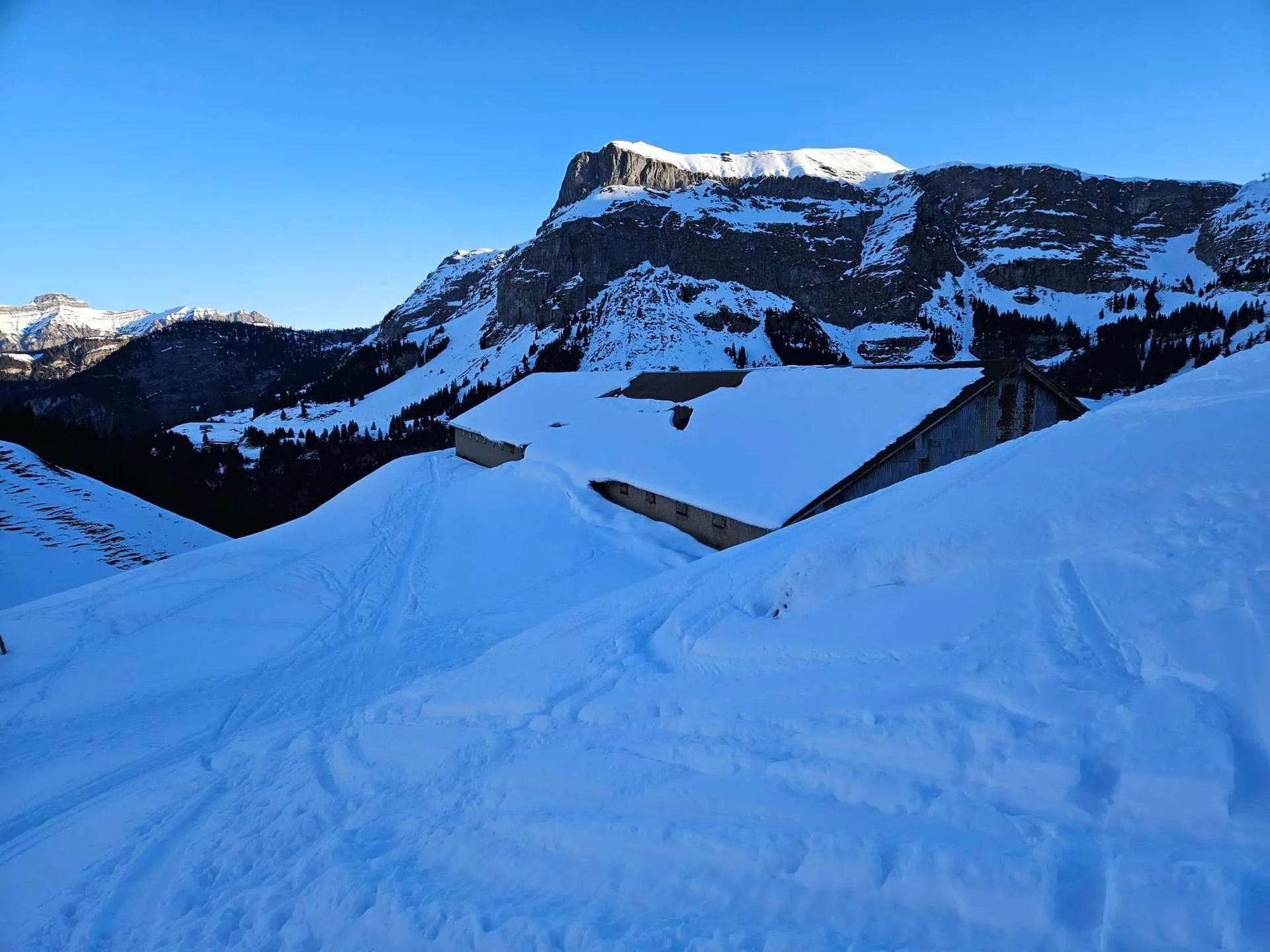
Glatten
↑ 1,549 mDuration: 5.8 hDifficulty: PD+ Slightly difficult
Current conditions: Not enough dataUpdated
Glatten conditions today
Avalanche danger level
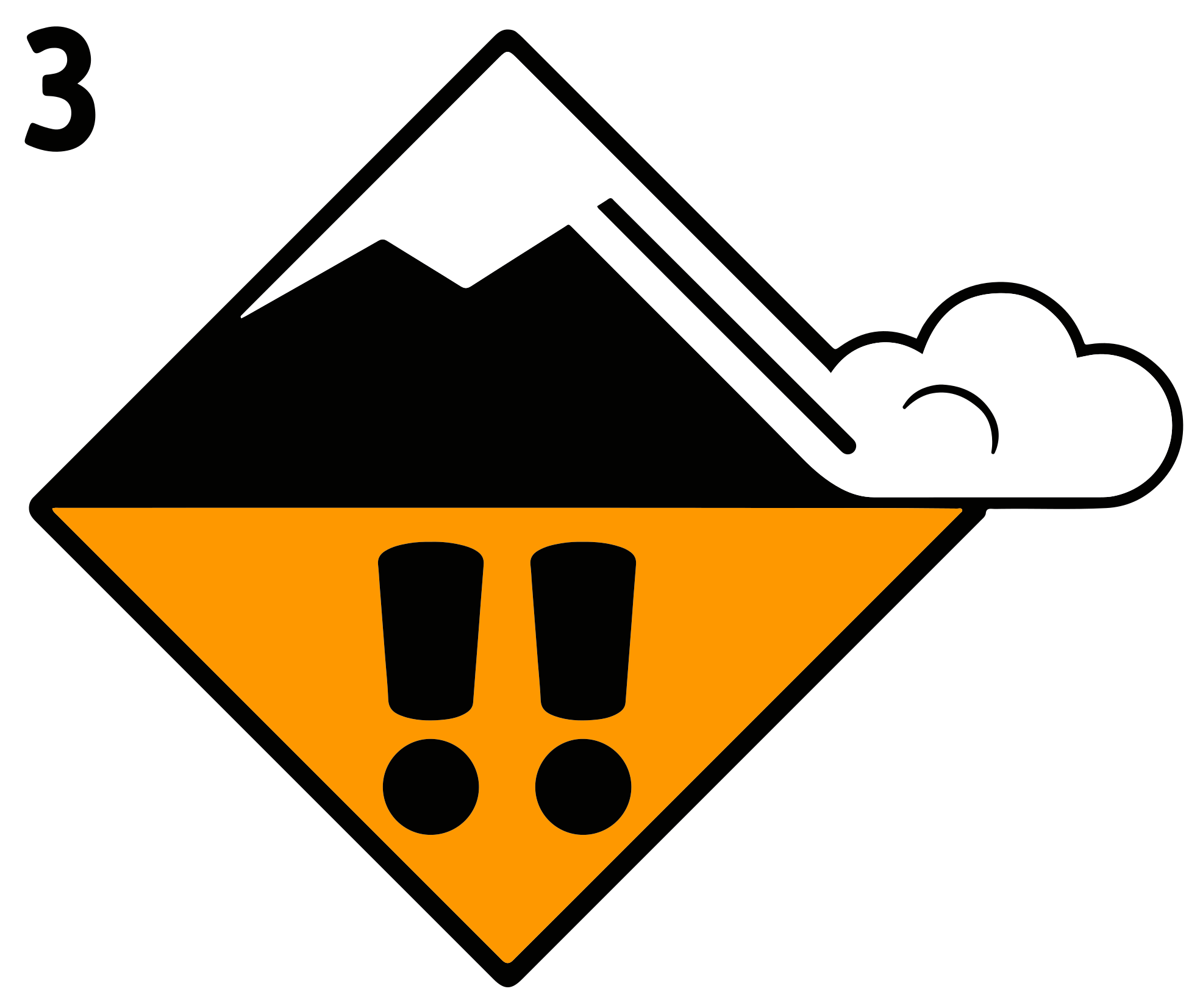
3= · ConsiderableThe snowpack is moderately to poorly bonded on many steep slopes. Triggering is possible, even from low additional loads, particularly on the indicated steep slopes. In certain situations some large, and in isolated cases very large natural avalanches are possible.3=: the danger is roughly in the middle of this level (sub-level published by SLF, the Swiss avalanche service).Steep slopes: steeper than about 30 degrees.Low additional load: an individual skier riding softly, not falling; a snowshoer; a group keeping distances of at least 10 m.High additional load: two or more skiers without good spacing; a snow groomer; explosives.How to read the avalanche bulletinSource & further information: European avalanche danger scale (EAWS) (opens in a new tab)
 New snowThe avalanche problem is related to current or most recent snowfall. The amount of additional loading by new snow onto the existing snowpack is the crucial factor of the new snow problem.Where: In general, a widespread presence and often on all aspects.When: Typically during snowfall and up to a few days after.Travel advice: Dry-snow slab avalanches: wait until the snowpack has stabilized and the weak layer has gained strength. Dry loose snow avalanches: danger of being carried away by small avalanches is more important than danger of burial. Consider consequences in extreme terrain.How to read the avalanche bulletinSource & further information: Typical avalanche problems (EAWS) (opens in a new tab)above 2,200 m
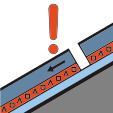 Persistent weak layerThe avalanche problem is related to the presence of one or more persistent weak layers in the old snowpack. These weak layers typically include faceted crystals, depth hoar or surface hoar crystals.Where: The avalanche problem can be widespread or quite isolated. It can exist in all aspects, but is more frequently found on shady, wind sheltered slopes.When: Weak layers can persist for weeks to months; possibly even during most of the winter season.Travel advice: Travel conservatively and avoid terrain features (e.g. large steep slopes) where consequences of being caught are large (e.g. deep burial). Consider the history of weather and snow cover processes in the area. Be extra cautious in areas with a thin snowpack and at the transition from thin to deep snowpack. The release of avalanches in persistent weak layers are a significant cause of recreational avalanche fatalities.How to read the avalanche bulletinSource & further information: Typical avalanche problems (EAWS) (opens in a new tab)above 2,200 m
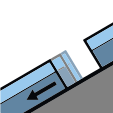 Gliding snowThe entire snowpack is gliding on the ground, typically on smooth ground such as grassy slopes or smooth rock zones. The release of a glide-snow avalanche is difficult to predict, although in many cases glide cracks open prior to release.Where: Primarily on smooth ground and on slopes of any aspect, but more often on sun-exposed slopes.When: Days to months; occasionally during entire winter-season. The release can occur at any time during the day. In spring, glide-snow avalanches occur often during the second part of the day.Travel advice: Avoid areas close to glide cracks.How to read the avalanche bulletinSource & further information: Typical avalanche problems (EAWS) (opens in a new tab)below 2,400 m
Source: SLF, issued , valid until .
Snow height
Valley
No reading
65cm
Upper · 2,338 m
Alpler Tor
Source: SLF IMIS, read . Measured at stations nearby, not on the route.
Reported completions, last 48 h
Daily counting starts with this season. Strava segment Sahli - Glatten __: 131 completions so far (all-time, as of 30 Oct).
There is not enough recent information yet for conditions today on this ski tour. Avalanche danger level: 3= (Considerable). Snow height: 65 cm (Alpler Tor, 2,338 m).
A planning aid, not a safety check. Conditions today are compiled automatically and can be wrong. Decide on site, at your own risk.
Most recent reports
Weather
Source: Open-Meteo, fetched .
| Elevation | Today Nov 27 | Sat Nov 28 | Sun Nov 29 |
|---|---|---|---|
| Start955 m | 1° / -9° Wind 8 km/h | 5° / -10° Wind 5 km/h | 8° / -4° Wind 8 km/h |
| Summit2,504 m | -7° / -12° Wind 19 km/h | -1° / -12° Wind 15 km/h | -1° / -3° Wind 7 km/h |
Freezing level: today 1,150 m · Sat 2,820 m · Sun 2,820 m. Above this height precipitation falls as snow.
Route map
Ski tour data provided by Skitourenguru. For the daily avalanche risk rating and the danger spots along this route, head to Skitourenguru.
View the avalanche risk along the route onSkitourenguru (opens in a new tab)
This ski tour
Zoom in to see huts, parking and bus stops.
Elevation profile9.4 km · ↑ 1,549 m · high point 2,504 m
Ascent track: Skitourenguru
Route description
- P
Approach to the Sahli Valley Station
955 → 1,192 mAt the winter road closure near Schwarzenbach, follow the cleared road into the valley to the Sahli cable car valley station.
- 1
Through the Ruosalper Forest to Gitschenboden
1,192 → 1,628 mBehind the cable car, climb steeply through the forest aisles of the Ruosalper Wald. Cross a farm track and head up a ridge past Gross Gade onto Gitschenboden.
- 2
Across the Munggenband
1,628 → 2,096 mExposed / fall riskWith slight undulations, cross the plateau of Ober Stafelalp. Beyond lies the crux over the Munggenband, where a delicate traverse leads up into the Wächters Butzen hollow.
- 3
From Wächters Butzen to the Glatten
2,096 → 2,504 mSteep slope · approx. 35°Below Rau Stöckli, head east between Balmer Grätli and Chli Glatten. Over a short steep rise, reach Vorder Glatten and overcome a rock step onto the expansive plateau, gliding gently to the summit cross. In safe conditions, the Schuechälen, a canyon followed by a roughly 35° north-facing slope, is an alternative descent.
Download the GPX track
The ascent track of Glatten as a GPX file, for your GPS watch, phone app or route planner.
9.4 km · ↑ 1,549 m · high point 2,504 m · 1,065 track points
Download GPXAscent track: Skitourenguru. A track is a planning aid, not a guarantee: check the avalanche bulletin and conditions on the day and adapt the route on the ground.
More ski tours
All ski tours in SwitzerlandPhoto credits
Photos in the slider above, in order. Author and original on Wikimedia Commons (with licence) or komoot (used with permission).